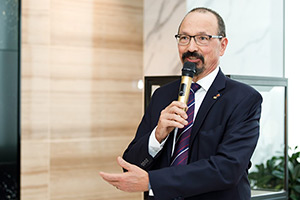
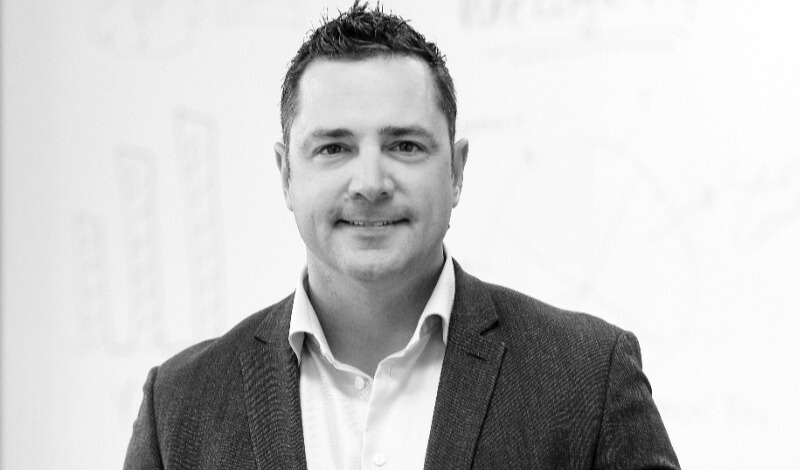
Dwight Mihalicz, TEC Canada Chair
with David Bouchard, CEO of PureLogic IT
What does it take to build one of Ottawa’s best workplaces from the ground up? For David Bouchard and his co-founder (and wife), Coreen, it started with a leap of faith in 2008 and grew into a values-driven, high-performance IT company serving Canada’s most complex sectors.
PureLogic IT is known not only for its technical excellence in serving public sector clients, but also for its strong, people-first culture. Named #1 Best Place to Work in Canada – Under 100 Employees, the company is a model for how strategic leadership and a commitment to community can work hand-in-hand.
In this interview with Dwight Mihalicz, Chair of TEC Canada 663, David reflects on the company’s origins, the lessons he’s learned on his journey from electrician to CEO, the values that guide decision-making at PureLogic, and the impact of TEC Canada on his leadership growth.
Q: Congratulations on being named Ottawa’s Best Workplace in 2025. Let’s start at the beginning. what inspired your wife and co-founder, Coreen, to start PureLogic IT?
David Bouchard: Coreen founded the company in 2008. At the time, she was working for a competitor that was undergoing internal changes. Rather than seeking another job, she decided to explore the idea of starting her own business. We were in a good position. We had no kids yet, and I had a stable income, so she took the leap. She already had a strong reputation in the market, which gave her confidence. Within two years, we outgrew the basement of our home in Kanata and moved into a condo office. I joined the company in 2010 when we had about five employees, and from there, we began our steady growth.
Q: Your own path is quite unique, from board-certified electrician to CEO. What led you to make that transition?
I started my career as a truck driver at S&S Bolton Electric in 1998. Soon after, I began an electrical apprenticeship and earned my license by 2004. But I knew early on that I wanted to transition from fieldwork to the office. The physical demands of electrical work take a toll over time, and I saw that firsthand. I had some leadership experience from volunteering with the Canadian Ski Patrol, which helped me move into an estimator role, then service manager, and eventually general manager.
When PureLogic began to scale, Coreen needed someone to help lead the business side, so I joined. My experience at Bolton, managing a complex business with 30+ employees translated well. Though it took time to learn the nuances of the IT sector, I gradually took on the general manager role and, later, CEO. It was a steep learning curve, but we grew the business carefully and strategically.
Q: What did winning the Best Workplace award mean for you and the team?
It’s incredibly meaningful. While Coreen and I often get the credit, it’s truly a team effort. Everyone contributes to our culture. From day one, we’ve tried to create a family environment – a place where people care about each other, support each other, and give back to the community.
One unique thing we do is involve employees directly in hiring decisions. Our onboarding process is extensive, and team members have a say in whether someone joins the company. This “voting in” model has a huge impact on who we attract and retain. This award is a celebration of 17 years of hard work, values-driven growth, and staying true to our vision, even as we scaled.
Q: What are some other tangible things you’ve done to build such a strong culture?
Giving back is a big part of who we are. We run five to six major corporate community initiatives every year. But beyond that, each employee has access to a $1,000 charitable fund annually. There is one condition: for every $100 they use, they must volunteer one hour of their time. That keeps people personally engaged in causes they care about. It’s not just about writing a cheque, it’s about being hands-on and connected to your community.
We also have each other’s backs. Life happens, and when someone on our team faces a challenge, personal or professional, we rally around them. That sense of community and support is central to our culture.
Q: In the Great Place to Work profile, you spoke about trust and open communication. How do you keep those values alive as the company scales?
It starts with being transparent, saying what you mean and following through. People need to know whether they’re on track, and that requires clear, honest communication. It also means having difficult conversations when necessary. That builds trust over time.
Living our values is essential. We talk about vision, mission, and values, but they only matter if you live them daily. Coreen and I both believe in taking the high road. One example: about eight years ago, an OEM partner tried to sell a client a large, expensive solution. We pushed back and proposed a smaller, more cost-effective solution that achieved the same outcome. We nearly lost the deal, but we stood our ground. In the end, that client relationship grew into a national partnership. Doing the right thing, even when it’s hard, pays off.
Q: As CEO, what are your strategic priorities moving forward?
We have three core objectives:
- Future-proofing – The IT landscape evolves rapidly. We stay on top of trends and anticipate where the market is headed. There are about five supporting strategies under this objective.
- Sustainable growth – This includes refining our internal systems, improving efficiency, and evolving our people-process-technology approach. We’re always looking for ways to be more scalable.
- People and culture – This is critical. We do Gallup Q12 surveys twice a year to get raw feedback from the team. If we’re off the mark, we act on it. Culture isn’t static, it needs constant attention.
Q: You’re in a highly specialized, regulated market. How do you stay innovative?
Innovation looks different in our space. We work heavily with the Canadian federal government, where compliance often matters more than novelty. So, our innovation is about finding creative ways to deliver full solutions within regulatory and procurement frameworks.
We’ve also invested in an Office of the CTO, which looks two years ahead and keeps our team aligned with emerging trends. I’m not the most technical person, but I collaborate with our experts to make sure the business side stays aligned with technology advancements.
Q: You and Coreen co-lead the business. How do you manage the work-life balance?
Early on, it was tough. We talked about work constantly. Eventually, we created boundaries. We have a phrase, “crossing the bridge,” based on our drive to our cottage. Once we cross into Quebec, it’s family time. That metaphor stuck, and we now use it to intentionally shift away from business mode.
The upside of our partnership is flexibility. We coordinate schedules so one of us is always available for the kids. That collaboration has given us a wonderful family lifestyle while still building a successful business.
Q: How has Coreen’s role as a woman in tech and defence influenced the company?
Coreen is involved at every level of the business. Her current title is Chief Revenue Officer and Founder, but her input shapes our strategy, culture, and direction. She’s incredibly knowledgeable and deeply connected in the industry.
She also actively mentors and speaks to young women, particularly in STEM and sports. That visibility matters. She’s a powerful role model, for our daughter and for the next generation of women in tech and defence.
Q: Let’s talk about your TEC Canada journey. What drew you to TEC originally?
Coreen joined TEC first. I saw the impact it had on her thinking and growth, and I knew I wanted that experience too. Eleven years later, I can say it’s been one of the most impactful leadership experiences of my life. You quickly realize you don’t have all the answers, and that’s humbling. The shared wisdom at the TEC table leads to better decisions and faster growth.
Q: Any specific takeaways from TEC that stick with you?
Definitely. One of the first was humility. I realized I had a lot to learn. TEC also taught me how to delegate effectively, have difficult conversations, and grow through vulnerability. Everyone in TEC is there to improve, and that collective energy makes a big difference.
Q: What would you say to another CEO considering TEC?
I’d say go for it. If you want to sharpen your leadership, build strong relationships, and gain insights from people facing similar challenges, there’s no better environment. The peer support and shared problem-solving make a real impact.
Lightning Round
Q: What book are you reading right now?
The Company, about the Hudson’s Bay Company. I’ve just started, but I’m fascinated by the historical insights.
Q: A quote or mantra that guides you?
Not a quote, but a philosophy: Extreme ownership. From Jocko Willink. I believe in owning every outcome, good or bad, and setting the tone for accountability across the organization. It’s part of our leadership charter.
Q: If you weren’t in tech, what would you be doing?
Something involving people, likely in the medical or psychological field. I’ve always had a strong interest in helping others and making a difference.
Learn More
As a TEC Chair, I would be delighted to explore your fit with TEC and help you find the peer group that is right for you, whether that is my group or another across the TEC Canada network. Please feel free to reach out.
Learn more about TEC Canada and all the options for peer groups. If you are the head of the organization, a key executive, or an advancing leader, there is an option for you.